
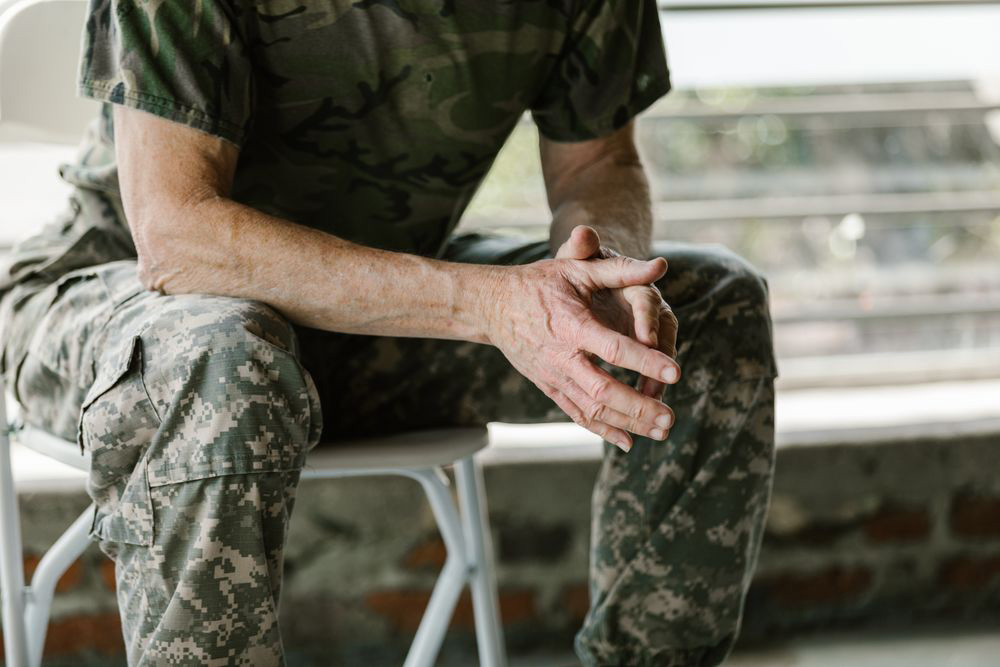
Every Veterans Day, Americans recognize the sacrifices made by the men and women who have served in the armed forces. It’s also an opportunity to consider what veterans need help with as they transition out of military service.
Because Virginia is home to one of the nation’s largest veteran populations, many people in our commonwealth have profoundly personal reasons to respect the challenges associated with military service, including lasting physical, psychological, and behavioral health concerns. When these difficulties overlap, effective treatment must address the full picture of co-occurring disorders rather than focusing on one problem at a time.
Understanding the Connection Between Military Service and Substance Use
In the line of duty, many service members have experiences that increase their vulnerability to substance use disorders, including exposure to traumatic events, chronic pain, disrupted sleep, and difficulties adjusting to civilian routines.
Alcohol and drugs may initially seem like the easiest way to manage uncomfortable symptoms. For example, someone with recurring PTSD-related nightmares might drink in hopes of falling asleep faster and resting dreamlessly, while another veteran struggling with chronic pain may begin relying heavily on prescription opioids.
Though these behaviors provide short-lived relief, they will also create additional problems, such as insomnia, emotional instability, and relationship conflict. These challenges aren’t exclusive to people who have served in combat. Military sexual trauma, injuries, and the prolonged stress caused by frequent deployments affect service members from many different backgrounds.
PTSD and Substance Use Disorders
Post-traumatic stress disorder is one of the most widely recognized mental health conditions associated with military service. It can develop after a single or repeated exposure to frightening, shocking, or life-threatening events, with symptoms that include intrusive memories, vivid nightmares, hypervigilance, emotional numbness, and avoidance.
According to the U.S. Department of Veterans Affairs, veterans with a history of PTSD are more likely to experience substance use problems than veterans who don’t live with this disorder. Drugs and alcohol can temporarily suppress distressing symptoms, but complications will eventually emerge, interfering with emotional processing and making PTSD harder to manage. The result is a self-perpetuating cycle in which former service members abuse substances to manage their trauma-related symptoms, which ultimately contributes to worsening psychological distress.
Other Co-Occurring Conditions Affecting Veterans
While PTSD receives considerable attention, it isn’t the only mental health concern that can overlap with substance use. These experiences don’t automatically lead to addiction, but they illustrate the value of comprehensive mental health assessments.
- Depression and anxiety: You may experience persistent sadness, irritability, excessive worry, or difficulty finding satisfaction in everyday activities. Alcohol and drugs are unhealthy attempts to regulate these emotions.
- Chronic pain: Service-related injuries and ongoing physical discomfort can complicate your recovery, particularly if you rely on prescription opioids or other potentially habit-forming medications.
- Sleep disorders: Insomnia and disrupted sleep can affect your emotional regulation, concentration, and physical health. Using alcohol or sedatives to manage these problems may introduce additional risks.
- Adjustment difficulties: Leaving military service can involve changes in your identity, social connections, daily structure, and career expectations. Some veterans struggle with loneliness or a loss of purpose during this transition.
The Purpose of Integrated Treatment
When substance use and mental health disorders overlap, they merit a targeted treatment plan designed to address all the factors that contribute to them. For example, learning to drink in moderation without addressing your underlying trauma, depression, or chronic pain may make it harder to maintain progress. Similarly, mental health counseling may be less effective if ongoing substance use continues to disrupt your sleep, relationships, and emotional stability.
Veterans with dual diagnoses benefit from personalized, evidence-based integrated treatment plans designed to address their specific concerns. You don’t have to be in a crisis to benefit from professional counseling, but you should be open-minded enough to recognize when your familiar coping mechanisms are actively harmful.
Supporting Veterans and Military Families in Northern Virginia
If you are a veteran struggling with your mental health and quality of life or questioning whether your relationship with substances has become problematic, reach out today to request your appointment.
Our team of licensed professionals addresses substance use and co-occurring mental health concerns through individualized, evidence-based care, with an integrated approach that brings therapy, psychiatric services, medication management, and other clinical resources together under one roof.