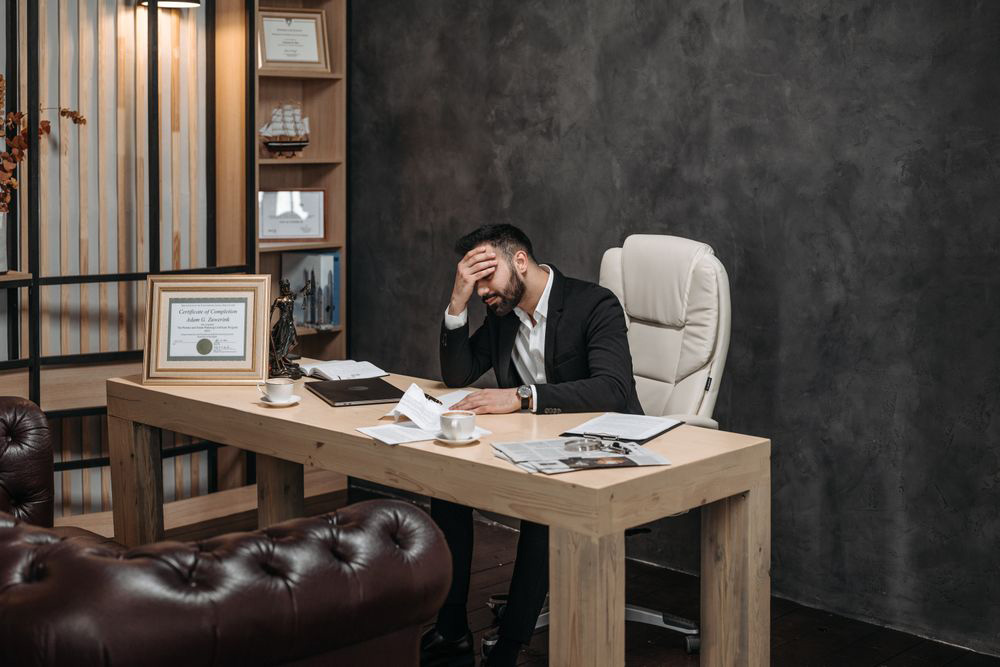

Many people expect to wake up with a headache, nausea, dehydration, or fatigue after a night of heavy drinking. But in some cases, the worst effects of overindulgence are psychological, such as a racing heart, sweaty palms, or intrusive thoughts. Even if you didn’t black out and lose your memories, you may feel a lingering dread that can last hours.
If this experience, known as “hangxiety,” sounds familiar, it may be worth assessing your relationship with alcohol.
What Is Hangxiety?
Alcohol is well-known for its ability to alter people’s mood and behavior. However, it can also affect your mental health when you’re not drinking. Hangxiety describes the unease, nervousness, or emotional distress that can occur during a hangover.
While this phenomenon often includes worries about things you said or did when you were under the influence, hangxiety goes beyond guilt or regret. Many people feel physical sensations of anxiety or impending doom alongside racing thoughts, even if they don’t remember doing anything embarrassing.
In some cases, people who have never experienced significant anxiety while sober feel unusually tense or panicked after drinking due to alcohol’s effects on brain chemistry.
Why Does Alcohol Make Anxiety Worse?
Alcohol initially slows central nervous system activity, which is why you may feel more relaxed when you drink. However, your brain will attempt to restore balance as this effect wears off, creating a rebound that may leave you restless, irritable, and tense.
At the same time, alcohol affects neurotransmitters involved in mood and reward, creating a sharp contrast between the temporary relaxation you experienced while drinking and your mood the next day. The distinction can be even more noticeable if you already live with a co-occurring anxiety disorder.
Understanding the Physical and Emotional Side of Hangxiety
In addition to making anxious thoughts return with renewed intensity, hangxiety also has tangible, physical effects. After a night of heavy drinking, you may wake up feeling dehydrated, sleep-deprived, restless, irritable, and sweaty. Unfortunately, many of these sensations overlap with the physical signs of anxiety. When your heart is thumping, your hands feel shaky, or your body is exhausted, your brain may interpret those signals as danger, even when nothing is wrong.
This combination of physical discomfort and emotional sensitivity can create a wave of worry the next day. People often describe racing thoughts, feeling unusually fearful, replaying conversations from the night before, or experiencing overwhelming guilt or embarrassment about their behavior. In more intense cases, some people even experience panic attacks.
These symptoms usually fade as your body recovers. However, if hangxiety becomes a recurring pattern, it may be a sign that alcohol’s physical and emotional effects are more severe than you realize.
When Hangxiety Becomes a Pattern
An occasional uncomfortable morning after drinking doesn’t necessarily mean you have a substance use disorder. However, it may be worth asking yourself some hard questions if binges become a regular part of your weekends or you keep drinking despite knowing you’ll feel anxious the next day.
For example:
- Do I routinely drink to cope with stress or anxiety?
- Is alcohol improving my mental health, or making it worse?
- Have I created a self-perpetuating cycle of drinking to relax, then feeling even more anxious afterward?
Breaking maladaptive behavioral patterns often requires you to identify why alcohol has become a pillar of your coping system and build healthier tools to replace it. We often recommend our pioneering harm reduction approach to our clients who need to redefine their relationship with drinking.
Moderation or Abstinence?
There’s more than one way to address hangxiety and other issues that can stem from heavy drinking. For some people, learning to drink in moderation proves to be more effective than the traditional rigid approach to recovery. Adjusting your patterns, creating boundaries, and learning to recognize your triggers can significantly reduce next‑day anxiety and improve your well-being.
However, an abstinence-based approach may offer more stability if you’ve struggled to moderate your drinking in the past or if your physical and mental well-being are suffering due to alcohol. Our goal is always to identify the safest and most realistic way to improve your long-term health.
Looking Beyond the Hangover
Hangxiety is more than an unpleasant morning after a night out. It can be a sign that alcohol no longer provides the relief you expect. Instead of easing stress, it worsens your mood and erodes your coping skills, perpetuating a cycle that’s increasingly difficult to escape.
Don’t ignore or minimize post‑drinking anxiety. Insight Recovery Centers’ clinicians help our clients unpack their relationship with alcohol and discover a path forward, whether that involves moderation, harm reduction, or abstinence. Contact us today to schedule a comprehensive assessment and receive an individualized treatment plan.